With sustainability and digital transformation at the core of its strategy, Siemens Türkiye develops solutions aimed at more efficient use of energy through its engineering and technology expertise. Contributing to the low-carbon transition with its digitalization-focused approach across industry, infrastructure, and buildings, Siemens Türkiye draws attention to the critical role of energy efficiency in combating the climate crisis and supporting sustainable development within the scope of Energy Efficiency Week.
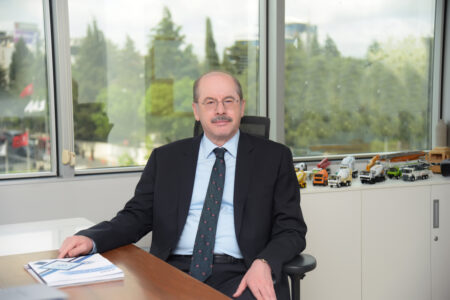
Making a statement as part of Energy Efficiency Week, Siemens Türkiye Chairman of the Board and CEO Hüseyin Gelis said: “The world is facing urgent challenges created by climate change. In this period, digital transformation stands out not merely as a technological step, but as a key driving force for sustainability and growth. Technologies such as artificial intelligence, IoT, cloud computing, and digital twins not only enhance operational and cost efficiency but also form the foundation of smart infrastructures capable of adapting to environmental conditions in real time. At Siemens Türkiye, we integrate energy efficiency and digital transformation into every stage of our value chain, and through the partnerships we establish in energy-intensive sectors, we contribute to both energy efficiency and digital transformation.”
“Digital transformation is a powerful driver for sustainability”
Emphasizing the importance of energy efficiency and digital transformation for sustainability, Hüseyin Gelis stated: “The world is facing urgent challenges created by climate change. In this period, digital transformation stands out not merely as a technological step, but as a key driving force for sustainability and growth. However, today the greatest risk in the field of sustainability is not a lack of technology, but short-term thinking and decision-making habits. It is of great importance for governments, industries, and institutions to focus on reducing carbon emissions, using resources more efficiently, and building more resilient structures in the face of uncertainties. The statement made this week by Turkish Ministry of Energy and Natural Resources, emphasizing the goal of ‘growing Türkiye’s energy through efficiency in line with the 2030 vision,’ stands out as one of the strongest indicators of our country’s commitment to this issue. In line with this goal, we believe that digitalization offers a powerful tool to accelerate transformation by covering all processes from infrastructure design to operation.”
Drawing attention to the opportunities offered by digitalization in terms of sustainability, Gelis also underlined the significant challenges accompanying this transformation, stating:
“While digitalization is an important step toward sustainability, there are serious challenges that need to be overcome. Many infrastructure systems in use today have been operating for decades and cannot be easily integrated with digital technologies. In addition, although data exists at many points, the inability to reflect this data into decision-making processes in an integrated, consistent, and reliable manner constitutes a major bottleneck. The limited availability of human resources capable of combining digital competencies with sustainability expertise is another factor slowing down this process. Investment gaps and short-term financial perspectives can overshadow long-term sustainability benefits. The lack of integrated data systems leads to data silos, making it difficult to fully leverage the potential of digital transformation. Supporting all these processes with a strong governance approach encompassing data privacy, cybersecurity, and ethical artificial intelligence is of critical importance.”
“A strong governance approach is an integral part of digital transformation”
Highlighting that digitalization offers a strategic lever supporting sustainable efficiency despite existing challenges, Gelis said: “Technologies such as artificial intelligence, IoT, cloud computing, and digital twins not only enhance operational and cost efficiency, but also form the foundation of smart infrastructures capable of adapting to environmental conditions in real time. This transformation represents a holistic approach that goes beyond a technical upgrade and addresses sustainability as a lifecycle extending from design to operation and continuous optimization. Cities and industrial systems need to be reconsidered with this perspective. Therefore, it is critical for the public sector, private sector, academia, and technology providers to act with a shared vision for a sustainable future. For digital transformation to create lasting impact, investment in technology alone is not sufficient. Without measurability, ownership, and accountability, it is hardly possible to achieve sustainable outcomes. A strong governance approach is an integral part of digital transformation.”
Concrete Gains in Energy Efficiency from Siemens Türkiye
Achieving significant gains both in its own operations and those of its customers over the past year, Siemens Türkiye contributed to a reduction of 148,000 tons of CO₂ equivalent emissions in its customers’ operations in 2025. During the same period, energy efficiency projects identified 448 energy-saving measures, revealing a savings potential of €21.72 million for customers.
In addition to project-based initiatives, Siemens Türkiye continues to support the development of qualified human resources in the field of energy efficiency through its Certified Energy Manager training programs, which it has been conducting since 2009.
Siemens Türkiye Supports Energy Efficiency Across Different Sectors
Through collaborations implemented in energy-intensive sectors, Siemens Türkiye contributes to energy efficiency and digital transformation. In this context, Siemens Türkiye supports the modernization of the energy infrastructure at Petkim’s facilities in Aliağa through its collaboration with SOCAR Türkiye in the petrochemical sector. With renewed electrical infrastructure and digital monitoring and control systems, these efforts aim to reduce energy losses, enhance safety, and improve production efficiency.
The electrification and automation modernizations and digital energy management solutions implemented by Siemens Türkiye at Kardemir have contributed to increased efficiency in production processes while supporting uninterrupted and secure energy objectives. These initiatives have clearly demonstrated the operational impact of digitalization in the iron and steel sector.