Rıdvan Er
Technical Project Manager -Fizix
Introduction
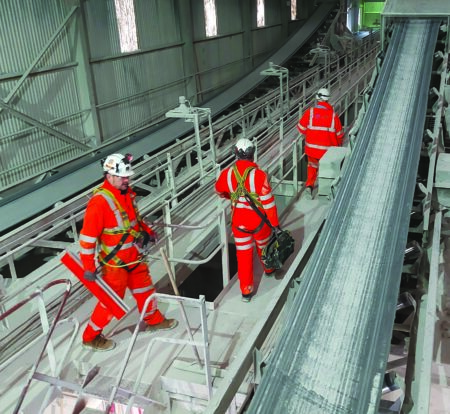
Across the globe, every industry operates with its own distinct dynamics, challenges, and operational requirements. The cement industry stands out as one where these unique conditions are felt most intensely. Within this sector, production and maintenance activities are expected to continue uninterrupted despite high temperatures, heavy mechanical loads, and demanding environmental conditions. For this reason, projects that enhance operational efficiency and deliver cost advantages throughout the annual production calendar are prioritized in cement plants. Today, in order to maintain production continuity, reduce unexpected failures, minimize unplanned downtimes, and optimize maintenance costs, facilities increasingly adopt reliability-focused production strategies.


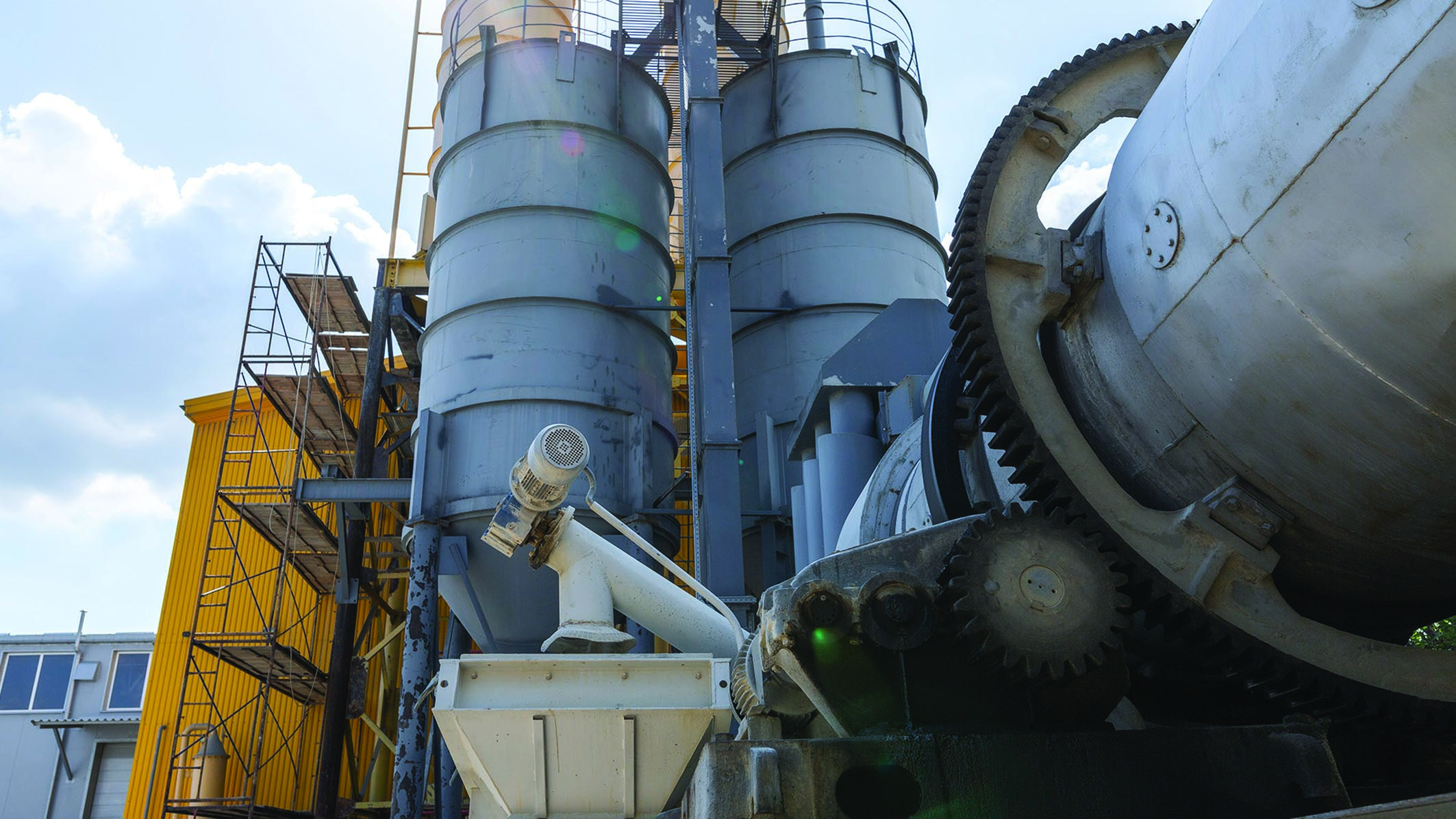

In order to foresee potential issues in advance and prevent the additional energy consumption caused by impending failures, being able to “hear” these machines is critically important. Just as a person visits a doctor and undergoes blood tests, X-rays, and similar examinations to detect health problems at an early stage, machines also require specific “diagnostic tools” to understand what is happening inside them. At this point, condition monitoring technologies—systems capable of “understanding the language” of machines—come into play. Vibration, magnetic flux, ultrasonic sound, and temperature sensors enable real-time monitoring of equipment health and facilitate the early detection of emerging issues.
Today, systems that allow us to easily “listen” to machines and understand their problems continue to transform all industries at a rapid pace, driven by artificial intelligence and digitalization trends. With this transformation, the ability to interpret machine-generated data and integrate it into decision-making mechanisms has become increasingly important. When sensor-derived data is combined with AI algorithms, statistical models, and advanced data analytics techniques, the operational characteristics of equipment can be identified much more clearly. Failures can be evaluated not only based on their symptoms but also at the root-cause level, and maintenance operations evolve from a reactive approach into a fully proactive and predictive structure.
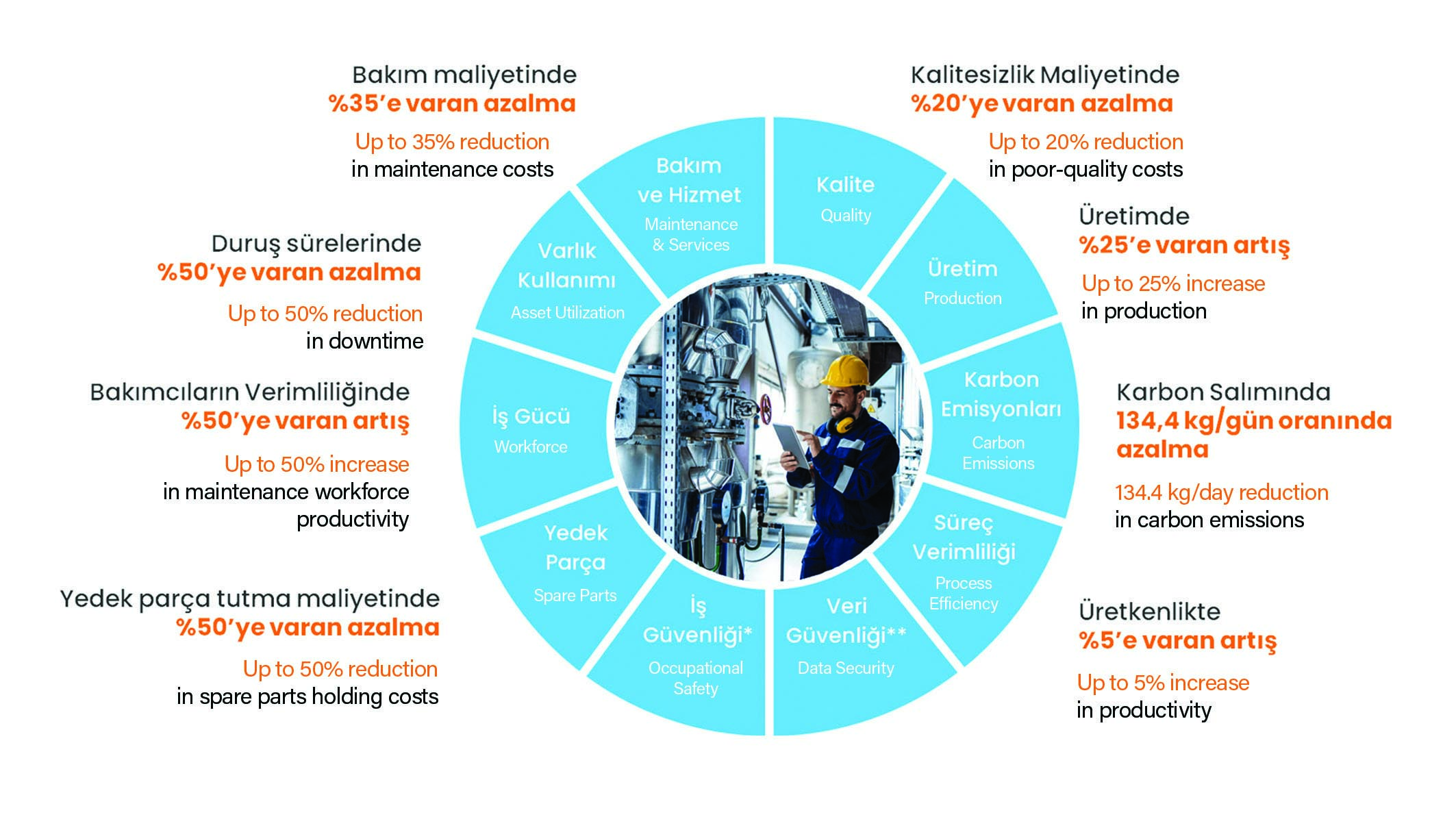
One of the greatest advantages of condition monitoring technologies is their ability to detect failures before they occur, particularly in heavyprocess industries such as cement. For example, a micro-crack forming on the inner ring of a bearing can be identified months in advance through vibration and ultrasonic data. Similarly, a minor disturbance in the magnetic flux balance of a motor may signal a serious winding failure that could develop later. Correct interpretation of these signals enables plants to reduce maintenance costs, prevent high-tonnage production losses, decrease unnecessary energy consumption by equipment, extend the lifespan of machine components, and strengthen overall process stability. At the same time, it enhances occupational safety by eliminating risks that unexpected failures may pose to employees.
The Science of Listening to Machines
Machine health monitoring is fundamentally based on measuring and analyzing the physical signals generated by rotating equipment—such as vibration, magnetic flux, and temperature—and interpreting these signals to understand underlying failure mechanisms. Fans, motors, vertical mills, separators, crushers, and kiln drive systems used in the cement industry operate under high loads, variable process conditions, and harsh environments; therefore, the signals they produce serve as an exceptionally rich source of information. This section provides a technical overview of the three core pillars of “listening to machines”: Vibration Analysis, Magnetic Flux Analysis, and Temperature/Thermal Analysis.
1. Vibration Analysis
Vibration analysis is one of the most reliable indicators of mechanical degradation in rotating equipment. Imbalances, misalignments, mechanical looseness, gear defects, and bearing failures generate distinct vibration signatures at characteristic frequencies.
• FFT analysis identifies the type and source of the fault on a frequency basis.
• Envelope analysis enables the early detection of inner/outer race and rolling element defects in bearings.
• Time-domain indicators (RMS, Peak, Crest Factor, Kurtosis) provide trend monitoring for impulsive patterns and deteriorating behavior.
This method enables the detection of faults before they occur by providing a holistic understanding of equipment behavior.
2. Ultrasonic Sound Analysis (Ultrasound)
Ultrasonic analysis detects high-frequency sounds above 20 kHz, enabling the early identification of anomalies caused by friction, impacts, and leaks.
• Bearing lubrication condition changes immediately when the lubricant film begins to deteriorate at the ultrasonic level.
• Compressed air and gas leaks can be rapidly localized by directing the sensor toward the leakage point.
• Surface deterioration, loose connections, and micro-impacts appear in the ultrasonic waveform before becoming visible in vibration analysis.
• Electrical discharge (corona) and insulation degradation generate ultrasonic signatures in switchgear and related electrical equipment.

This technology plays a critical role in lubrication optimization, energy efficiency, and early-stage fault detection.
3. Magnetic Flux Analysis
Magnetic flux analysis evaluates the health of electric motors by examining their electromagnetic behavior. Since distortions in the magnetic field occur before mechanical vibration develops, this method enables the earliest detection of electrical faults.
• Broken rotor bars are identified through characteristic sidebands associated with slip.
• Winding insulation degradation and phase imbalances are clearly visible in harmonic analysis.
• Efficiency losses related to power quality can be detected through changes in the magnetic field waveform.
• Overloading and rotor–stator rubbing generate abnormal responses in the magnetic flux profile.
This method is particularly advantageous for electric motors, as it provides a “magnetic” early-warning signal before any vibration is produced.
4. Temperature and Thermal Analysis
Temperature monitoring is one of the most fundamental parameters that directly reflects how equipment behaves under load. Both the causes and consequences of failures often emerge as temperature variations.
• Increases in bearing temperature are strong indicators of insufficient lubrication, wear, contamination, and misalignment.
• In electric motors, every 10°C rise in winding temperature reduces insulation life by half.
• Thermal camera (IR) inspections clearly reveal loose connections, hot spots, and cooling issues in motors and gearboxes through surface imaging.
• Temperature trend monitoring determines the progression rate of a fault and provides early warnings to maintenance teams when critical thresholds are exceeded.
Conclusion
In the cement industry, competitiveness is no longer defined solely by production capacity, but by how effectively assets are managed and how well reliability-focused approaches are integrated into operational processes. “Listening” to machines is regarded as a robust analytical method grounded in engineering principles. Facilities that combine this methodology with a strategic perspective gain a significant advantage on the path toward a more reliable, more efficient, and more sustainable production structure.